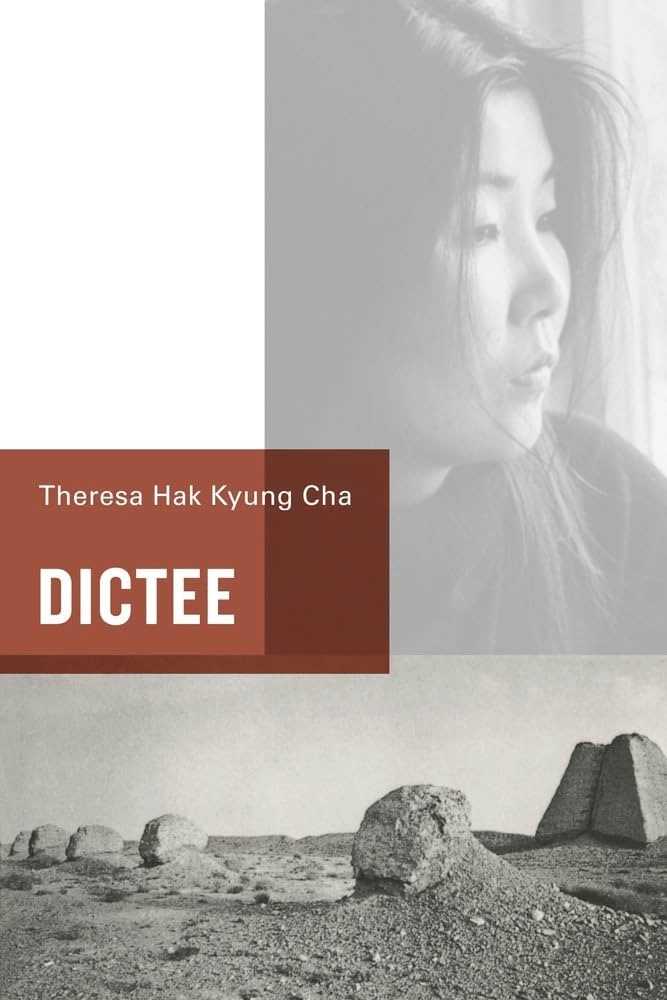
Moving beyond the critical binary between formalism and sociohistoricism that has polarized readings of Theresa Hak Kyung Cha’s Dictée, this article specifies how Cha forges avant‐garde formalism into a political instrument for diasporic expression. Synthesizing crip theory, new materialism, and affect theory, this article argues that Dictée functions as a performative cartography, mapping the diasporic condition as a specific mode of structural and somatic disablement. Integrating Asian American disability studies, this study analyzes this practice less as a representation of trauma and more as a mode of knowing grounded in the experience of being socially and linguistically disabled by normative national structures. It traces three interlocking layers: the unsettled temporalities of crip time, the material geography of the book as an archival body, and the affective terrains generated within the reader. In so doing, this reading offers Asian American literary studies a critical vocabulary for reframing formal difficulty as an embodied political strategy and expands postmodern geography by positioning the body as a primary site of historical inscription.
Keywords: Theresa Hak Kyung Cha, Dictée, Non-normative Geographies, Diasporic Epistemologies, Crip Theory
Leave a Reply